

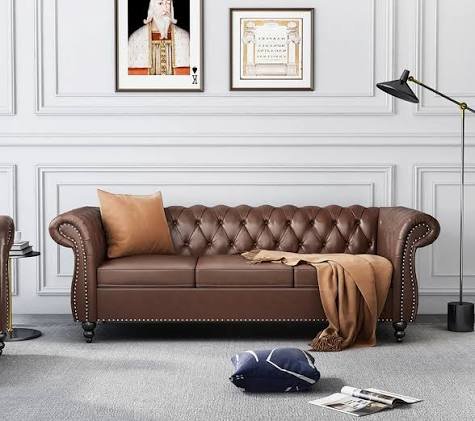
A great leather sofa isn’t just furniture—it’s a centerpiece that can transform a living room from ordinary to elegant while lasting a decade or more when chosen and cared for correctly. In this guide, we’ll walk through everything from types and styles to maintenance and 2026 trends, so you can make a confident, well-informed decision.
Why a Leather Sofa Is a Smart Investment
A leather sofa combines timeless style with practical durability. Unlike fabric upholstery, leather resists spills, doesn’t trap dust or allergens as easily, and develops a rich patina over time that many homeowners find more attractive with age. For busy households with kids or pets, leather sofas are often easier to wipe clean and maintain than most fabric alternatives.
Beyond function, leather sofas carry a sense of luxury and permanence. They signal quality craftsmanship and tend to hold resale value better than budget fabric sets, making them a long-term investment rather than a short-term purchase.
Types of Leather Sofas You Should Know
Not all leather sofas are created equal. Understanding the differences helps you match quality to budget and lifestyle.
- Full-grain leather – The highest quality, using the entire hide with natural markings intact. Extremely durable and develops beautiful patina.
- Top-grain leather – Slightly processed for a more uniform look; still durable and a popular mid-to-high range choice.
- Bonded leather – Made from leather scraps bonded together with backing material. Budget-friendly but less durable.
- Faux/vegan leather – A synthetic alternative that mimics leather’s look, often more affordable and cruelty-free.
- Aniline vs. semi-aniline leather – Aniline is minimally treated for a natural feel; semi-aniline adds a light protective coating for better stain resistance.
Popular Leather Sofa Styles for Every Home
Leather sofas come in a wide range of styles to suit different interior themes:
- Chesterfield – Classic tufted design with rolled arms, ideal for traditional or vintage interiors.
- Mid-century modern – Clean lines, tapered legs, and minimalist silhouettes.
- Sectional leather sofas – Great for large living rooms or open-concept spaces.
- Reclining leather sofas – Combine comfort with built-in footrests, popular for home theaters.
- Contemporary minimalist – Sleek, low-profile designs with neutral tones for modern apartments.
Key Benefits of Choosing a Leather Sofa
Leather sofas offer several advantages that make them worth the investment:
- Durability – High-quality leather can last 15–25 years with proper care.
- Easy maintenance – Spills wipe off easily; no deep-cleaning machines required.
- Hypoallergenic surface – Doesn’t harbor dust mites like some fabrics.
- Timeless aesthetic – Complements both classic and modern decor.
- Temperature adaptability – Quality leather adjusts to room temperature better than many synthetic materials.
Pros and Cons of Leather Sofas
Before buying, weigh the following honestly:
Pros:
- Long lifespan and strong resale value
- Simple to clean and maintain
- Resistant to stains and spills
- Ages gracefully with a natural patina
- Doesn’t absorb odors easily
Cons:
- Higher upfront cost compared to fabric
- Can feel cold in winter and warm/sticky in humid summers
- Prone to scratches from pets with claws
- Requires occasional conditioning to prevent cracking
- Color and texture options are more limited than fabric
Leather Sofa Price Comparison (By Type & Grade)
Prices vary widely based on leather grade, sofa size, and brand. Here’s a general breakdown to help you budget:
| Leather Type/Grade | Price Range (2-Seater) | Price Range (3-Seater/Sectional) | Expected Lifespan |
|---|---|---|---|
| Faux/Vegan Leather | $300 – $700 | $600 – $1,500 | 5–8 years |
| Bonded Leather | $400 – $900 | $800 – $1,800 | 3–5 years |
| Top-Grain Leather | $800 – $2,000 | $1,500 – $3,500 | 10–20 years |
| Full-Grain Leather | $1,500 – $4,000 | $3,000 – $8,000+ | 15–25 years |
| Aniline/Semi-Aniline | $2,000 – $5,000+ | $4,000 – $10,000+ | 15–25 years |
Prices are approximate estimates and can vary by brand, region, and design complexity.
How to Choose the Right Leather Sofa for Your Space
Selecting the right sofa goes beyond appearance. Consider these factors before purchasing:
- Measure your space – Account for doorways, hallways, and room layout for delivery and fit.
- Test the leather grade – Full-grain and top-grain offer the best long-term value.
- Consider your household – Homes with pets or children may benefit from more durable, treated leather.
- Match your decor style – Choose a silhouette and color that complements existing furniture.
- Check the frame material – Solid hardwood frames outlast particleboard or plastic frames.
- Sit before you buy – Comfort varies significantly across firmness levels and cushion fill.
Leather Sofa Care and Maintenance Tips
Proper care extends the life of your sofa significantly and protects your investment.
- Dust and vacuum weekly using a soft brush attachment.
- Wipe spills immediately with a dry or slightly damp cloth—avoid soaking the leather.
- Condition leather every 6–12 months to prevent drying and cracking.
- Keep sofas away from direct sunlight and heating vents to avoid fading and dryness.
- Use leather-specific cleaners; avoid household detergents or alcohol-based products.
- Trim pet nails regularly if pets share the furniture.
Styling Ideas: Making Your Leather Sofa the Centerpiece
A leather sofa anchors a room beautifully when styled thoughtfully. Pair a brown leather Chesterfield with warm wood tones and brass accents for a classic library feel. For a modern living room, contrast a black or grey leather sectional with light-colored walls and metallic decor. Adding textured throw pillows and a soft area rug helps balance leather’s sleek surface, making the space feel warm and inviting rather than cold or overly formal.
2026 Leather Sofa Trends to Watch
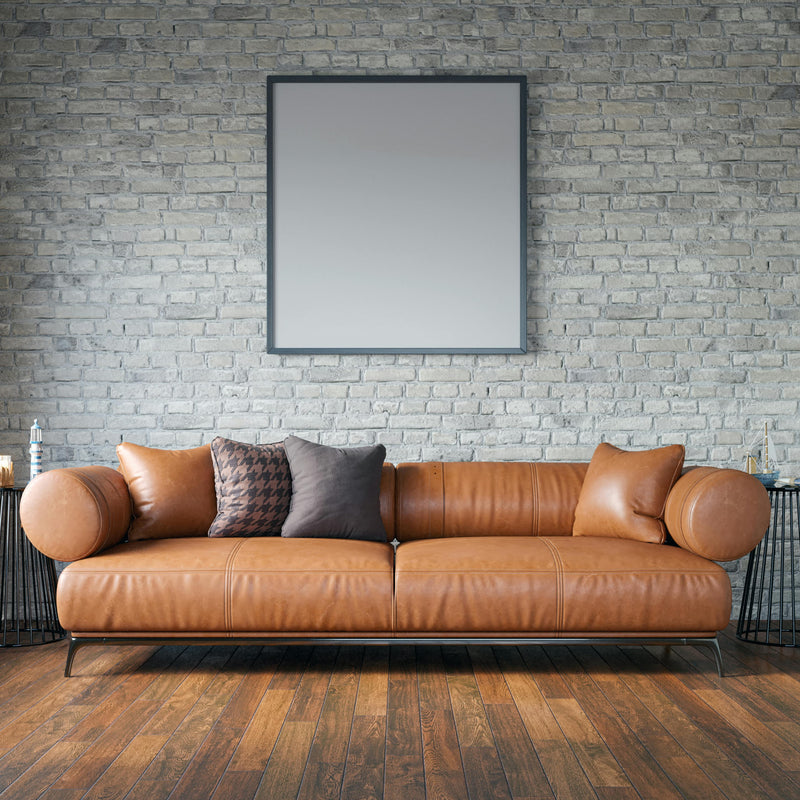
Interior design trends continue to evolve, and leather sofas are no exception this year.
- Earth-tone leathers – Terracotta, olive, and warm caramel shades are replacing traditional black and brown.
- Modular leather sectionals – Customizable configurations for flexible living spaces.
- Sustainable and vegan leather – Increased demand for eco-conscious, cruelty-free alternatives.
- Curved silhouettes – Soft, rounded sofa shapes are replacing sharp, boxy designs.
- Two-tone leather designs – Combining textures or colors for a designer look at accessible prices.
Common Mistakes to Avoid When Buying a Leather Sofa
Many buyers make avoidable errors that shorten a sofa’s lifespan or lead to buyer’s remorse:
- Choosing bonded leather without understanding its shorter lifespan
- Skipping in-person testing and relying only on online photos
- Ignoring frame quality in favor of price alone
- Placing the sofa in direct sunlight or near heat sources
- Forgetting to ask about warranty and leather treatment details
FAQ’s
Q1. Is genuine leather better than faux leather for sofas?
Genuine leather (especially full-grain) is more durable and ages better, while faux leather is more affordable and easier to maintain for pet owners or budget-conscious buyers.
Q2. How long does a good leather sofa last?
With proper care, a high-quality full-grain or top-grain leather sofa can last 15–25 years, often outlasting comparable fabric sofas.
Q3. Can leather sofas be repaired if scratched?
Yes, minor scratches can often be buffed out or treated with leather repair kits, while deeper damage may require professional restoration.
Concluion
A leather sofa is more than a seating option—it’s a long-term investment in comfort, style, and durability. By understanding leather grades, weighing the pros and cons, and following simple maintenance habits, you can enjoy a piece of furniture that looks better with age rather than worse. Ready to upgrade your living room? Start comparing leather grades and styles today, and choose a sofa that fits both your lifestyle and your design vision for years to come.
