

Not every home gets floods of golden sunlight streaming through big windows. If you live in an apartment with north-facing windows, a dim office cubicle, or a cozy room shaded by tall buildings, you might think a green, thriving indoor jungle is out of reach. It isn’t. There is an entire category of resilient, gorgeous houseplants that don’t just survive in low light they genuinely flourish there.
In this guide, you’ll find 15 of the best low light houseplants, practical care advice, room-by-room recommendations, and answers to the questions plant parents ask most. Whether you’re a total beginner or a seasoned collector looking to fill a shady corner, this list will help you build a lush indoor space without needing a single grow light.
Why Choose Low Light Houseplants
Low light houseplants aren’t just a fallback option for dim spaces they offer real advantages that make them worth choosing on purpose.
- Lower maintenance overall: Plants that tolerate low light often need less frequent watering too, since slower growth means slower water consumption.
- Improved indoor air quality: Many low light species, like snake plants and pothos, are known for filtering common household toxins.
- Flexible placement: You can decorate bathrooms, hallways, and windowless offices without worrying about scorched leaves.
- Beginner-friendly: Most low light plants forgive missed watering days, making them ideal for people new to plant care.
- Year-round greenery: Because they aren’t chasing seasonal sunlight changes, these plants tend to stay stable and attractive throughout the year.
What Counts as “Low Light” Anyway?
Before diving into the list, it helps to understand what “low light” actually means in plant care terms. Low light doesn’t mean no light every plant needs some, even if indirect. Generally, low light refers to spaces that receive filtered, indirect sunlight, such as a spot several feet from a window, a north-facing room, or an interior area lit mainly by artificial light during the day.
True darkness will kill any plant over time. If you can comfortably read a book without turning on a lamp during the day, your space likely qualifies as low light not lightless.
The 15 Best Low Light Houseplants
1. Snake Plant (Sansevieria)
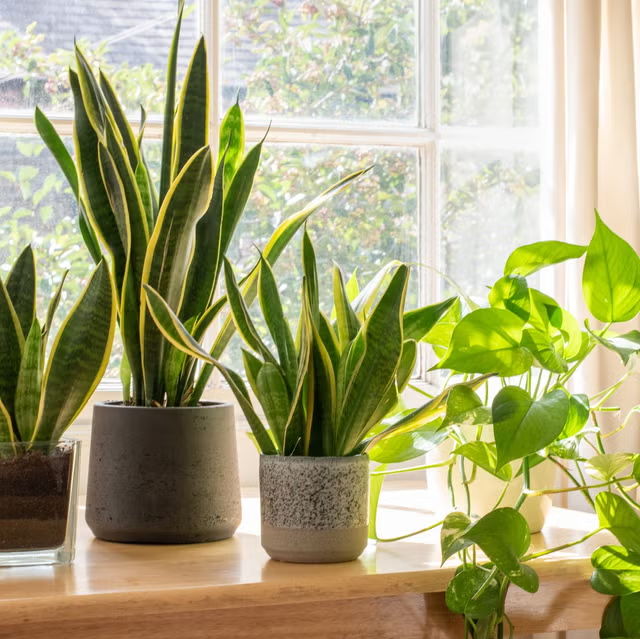
Nearly indestructible, the snake plant tolerates neglect, irregular watering, and dim corners better than almost any other houseplant. Its upright, sword-like leaves add architectural interest to any room.
2. Pothos (Epipremnum aureum)
A trailing vine with heart-shaped leaves, pothos grows quickly even in low light and is famously hard to kill. It’s a top pick for hanging baskets or bookshelves.
3. ZZ Plant (Zamioculcas zamiifolia)
With glossy, dark green leaves and a naturally sculptural shape, the ZZ plant survives extended periods without water and thrives in offices with fluorescent lighting only.
4. Peace Lily (Spathiphyllum)
Known for its elegant white blooms, the peace lily tells you exactly when it needs water its leaves droop dramatically, then perk back up shortly after watering.
5. Cast Iron Plant (Aspidistra elatior)
True to its name, this plant tolerates low light, dust, temperature swings, and inconsistent care, making it a favorite for offices and rental apartments alike.
6. Chinese Evergreen (Aglaonema)

Available in striking patterned varieties, Chinese evergreens combine visual appeal with tolerance for dim rooms and irregular watering schedules.
7. Philodendron (Heartleaf variety)
Similar in toughness to pothos, heartleaf philodendron trails beautifully and adapts well to lower light while still producing new leaves steadily.
8. Dracaena (various species)
Tall and dramatic, dracaenas add height and texture to shaded corners while requiring only occasional watering and minimal direct sun.
9. Spider Plant (Chlorophytum comosum)
Spider plants produce cascading “babies” even in moderate to low light, making them a rewarding, easy-to-propagate choice for beginners.
10. Lucky Bamboo (Dracaena sanderiana)
Often grown in water rather than soil, lucky bamboo thrives on indirect light and is popular for desks and low-light bathrooms.
11. Maidenhair Fern (Adiantum)
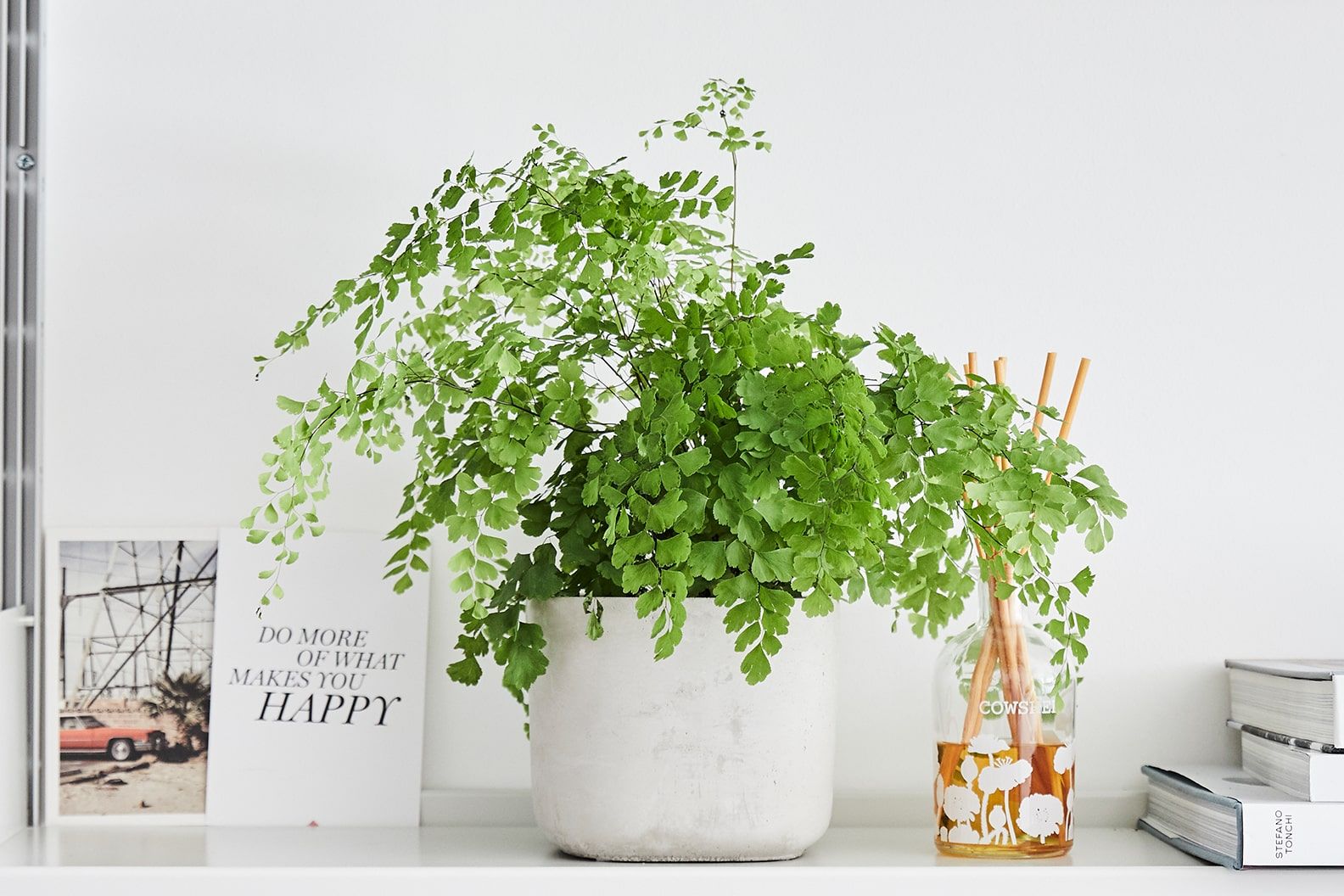
Delicate and lush, this fern prefers humidity and indirect light, making it ideal for low-light bathrooms with good ventilation.
12. English Ivy (Hedera helix)
A classic trailing plant, English ivy adapts to lower light conditions indoors and works well in hanging planters or on shelves.
13. Parlor Palm (Chamaedorea elegans)
A compact, feathery palm that has been a houseplant staple for over a century, thriving happily in shaded living rooms and offices.
14. Calathea (various species)
Grown mainly for their striking patterned foliage, calatheas prefer indirect light and consistent humidity over intense sun exposure.
15. Peperomia (various species)
Compact and low-maintenance, peperomias come in dozens of leaf shapes and textures, all well-suited to filtered or low light environments.
How to Care for Low Light Houseplants

Even shade-tolerant plants need the right care routine to truly thrive rather than merely survive.
- Water less frequently: Low light slows growth and water uptake, so let soil dry out more between waterings to avoid root rot.
- Use well-draining soil: A loose potting mix prevents water from pooling around roots in already slow-drying conditions.
- Dust leaves regularly: Dust blocks what little light plants receive, so wipe leaves down every few weeks with a damp cloth.
- Rotate the pot: Turning your plant occasionally encourages even growth toward the available light source.
- Skip heavy fertilizing: Slower-growing plants need less feeding over-fertilizing can cause more harm than good in low light.
Common Mistakes to Avoid
Many low light houseplant failures come from a handful of avoidable habits.
- Overwatering out of habit: This is the number one killer of low light plants, since they use water far more slowly than sun-loving varieties.
- Assuming “low light” means “no light”: Placing a plant in a truly dark corner will eventually starve it of the energy it needs to survive.
- Ignoring pot drainage: Pots without drainage holes trap moisture, compounding the risks of slower-drying soil.
- Ignoring pests: Low light plants can still attract spider mites or mealybugs, so periodic leaf inspection matters.
Pros and Cons of Low Light Houseplants
Pros:
- Require less frequent watering and general upkeep
- Tolerate inconsistent care, ideal for busy schedules or frequent travel
- Improve indoor air quality and add visual warmth to dim rooms
- Wide variety of shapes, colors, and sizes to suit any décor style
Cons:
- Generally slower growing than sun-loving plants
- Fewer flowering options compared to full-sun species
- Some varieties (like calathea) still need consistent humidity, not just low light
- Risk of overwatering is higher since soil dries more slowly
Best Low Light Houseplants by Room
- Bedroom: Snake plant and peace lily both help maintain calm, oxygen-rich air overnight.
- Bathroom: Maidenhair fern and lucky bamboo appreciate the higher humidity bathrooms typically offer.
- Home Office: ZZ plant and pothos tolerate fluorescent lighting and inconsistent watering schedules well.
- Hallways & Entryways: Cast iron plant and dracaena add height and presence without needing window access.
Trends in Indoor Plant Care Right Now

Interest in low-maintenance, air-purifying houseplants has continued to grow as more people work from home and prioritize wellness-focused interior design.
Plant subscription boxes, self-watering pots, and humidity-tracking apps have become increasingly popular tools for helping low light species thrive with minimal daily effort. Pet-safe and air-purifying varieties, in particular, remain some of the most searched plant categories among first-time plant owners.
FAQ’s
Q1. Can any houseplant survive with zero natural light?
No plant can survive indefinitely without any light at all. Even the most shade-tolerant species need some indirect daylight or a quality grow light to photosynthesize and stay healthy long-term.
Q. How often should I water low light houseplants?
Most low light plants only need watering every one to two weeks, since slower growth means slower water use. Always check that the top inch of soil is dry before watering again.
Q3. Are low light houseplants safe for pets?
It depends on the species. Spider plants and areca palms are generally pet-safe, while pothos, philodendron, and peace lily are toxic to cats and dogs if ingested, so research each plant individually.
Conclusion
You don’t need a sun-drenched living room to enjoy a thriving indoor garden. With the right selection of low light houseplants from the nearly unkillable snake plant to the elegant peace lily even the dimmest corners of your home can become lush, calming green spaces. Start with one or two forgiving varieties, learn their watering rhythm, and build your shaded plant collection from there.
