

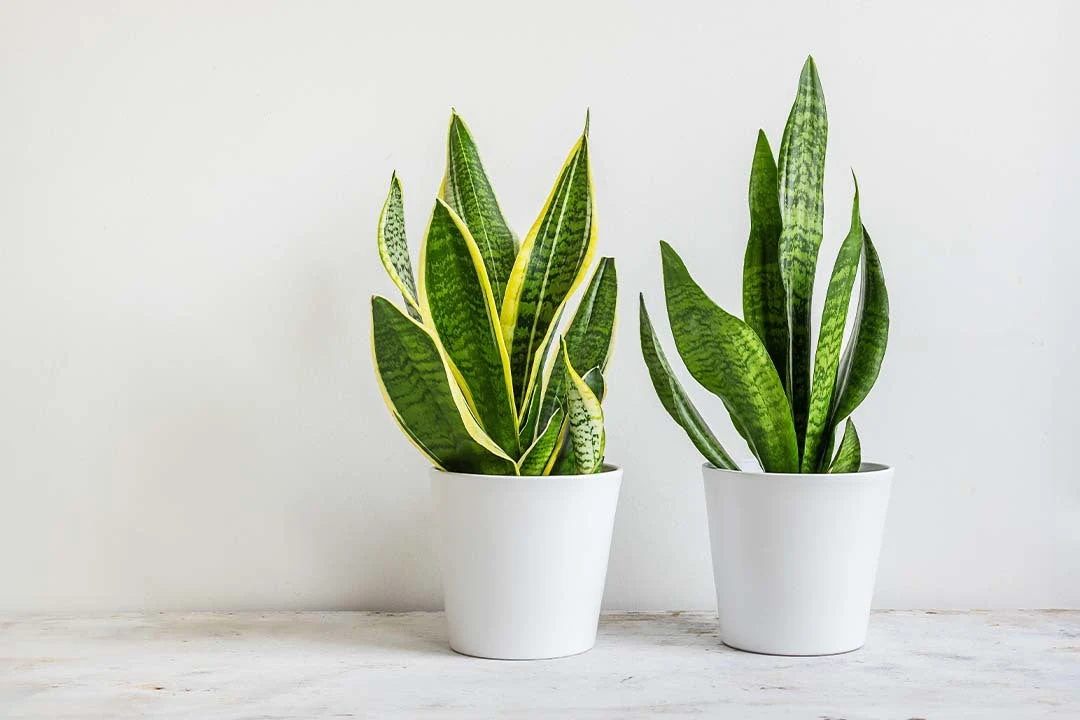
A snake plant is one of those houseplants that seems almost too easy to grow. With its tall, upright leaves, striking patterns, and ability to tolerate less-than-perfect conditions, it has become a favorite for both experienced plant lovers and complete beginners. Also known as Sansevieria or mother-in-law’s tongue, this hardy indoor plant can add a natural touch to almost any room without demanding constant attention.
Whether you want to brighten a bedroom, decorate an office, or simply start building an indoor garden, the snake plant is an excellent choice. Its attractive foliage, low-maintenance nature, and adaptability make it a practical houseplant for modern homes.
What Is a Snake Plant?
The snake plant is a popular ornamental houseplant recognized by its stiff, pointed leaves that grow vertically from the soil. Depending on the variety, the foliage may feature dark green patterns, pale green stripes, or yellow edges.
Although it is commonly called Sansevieria, many snake plants are now classified under the botanical genus Dracaena. You may still see both names used in garden centers and plant-care guides.
One reason this plant has remained so popular is its ability to adapt to indoor environments. It can handle a range of lighting conditions and generally needs much less water than many tropical houseplants.
Why Snake Plants Are So Popular
A Stylish Addition to Any Room
Snake plants have a naturally architectural appearance. Their upright leaves add height and structure without taking up much floor space, making them particularly useful in apartments, bedrooms, hallways, and offices.
A tall snake plant can fill an empty corner beautifully, while a smaller variety works well on a desk, shelf, or side table. Its clean shape also fits easily into modern, minimalist, rustic, and traditional interiors.
Easy Care for Busy People
Not everyone has time to follow a complicated plant-care routine. Fortunately, snake plants are remarkably forgiving. They can tolerate periods of dryness and do not need frequent watering.
This makes them especially appealing to beginners who are learning about indoor gardening. Instead of worrying about daily maintenance, you can focus on giving the plant suitable light, well-draining soil, and careful watering.
Naturally Adaptable
Snake plants are known for handling a variety of indoor conditions. They can grow in bright, indirect light and may also survive in lower-light areas. Growth is generally stronger when the plant receives adequate indirect sunlight, but it does not require a constantly sunny window.
This adaptability is one of the reasons snake plants are commonly chosen for rooms where other houseplants may struggle.
How to Care for a Snake Plant
Choosing the Right Light
Snake plants are flexible when it comes to lighting, but bright, indirect light is usually ideal for healthy growth. A location near a bright window can work well as long as the foliage is protected from intense, prolonged direct sunlight.
Low-light conditions may slow growth, but the plant can often tolerate them better than many other indoor plants. If you notice slow growth or less vibrant foliage, moving the plant to a brighter location with filtered light may help.
Getting Watering Right
Overwatering is one of the most common problems with snake plants. Their thick leaves and underground structures allow them to store water, so they are better suited to periods of dryness than consistently wet soil.
Allow the potting mix to dry out thoroughly before watering again. When you do water, soak the soil thoroughly and allow excess moisture to drain away. Avoid leaving the pot sitting in stagnant water.
The exact watering schedule depends on factors such as temperature, humidity, pot size, soil type, and available light. Checking the soil rather than following a rigid calendar is usually the better approach.
Using Well-Draining Soil
Snake plants prefer soil that does not remain wet for long periods. A well-draining potting mix designed for succulents or similar drought-tolerant plants can be a good option.
Good drainage is just as important as watering habits. A container with drainage holes allows excess water to escape and helps reduce the risk of root problems caused by waterlogged soil.
Choosing the Right Pot
A suitable pot can make snake plant care much easier. Choose a container with drainage holes and avoid placing the plant in an oversized pot simply to give the roots more room.
A pot that is too large can hold excess moisture around the roots for longer than necessary. Terracotta containers can also be useful because their porous material allows moisture to evaporate more readily.
Common Snake Plant Problems
Yellow Leaves
Yellow leaves can sometimes indicate that the plant is receiving too much water. If the soil remains wet for extended periods, the roots may become stressed.
Before watering again, check the moisture level of the soil. If it is consistently damp, improve drainage and allow the soil to dry more thoroughly between waterings.
Soft or Mushy Leaves
Healthy snake plant leaves are firm and upright. Soft, collapsing, or mushy foliage can be a warning sign of excessive moisture or root problems.
In these situations, inspect the soil and roots, remove severely damaged portions when appropriate, and repot the plant into fresh, well-draining soil if necessary.
Brown Leaf Tips
Brown tips can appear for several reasons, including inconsistent care, dry conditions, excessive fertilizer, or environmental stress. Rather than immediately changing everything, consider the plant’s recent watering, lighting, and temperature conditions.
Consistent care is usually more helpful than making several major changes at once.
Popular Snake Plant Varieties
Sansevieria Trifasciata
One of the most recognizable types features tall green leaves with distinctive horizontal markings. Its classic appearance is probably what many people picture when they hear the words “snake plant.”
Laurentii
Laurentii is especially popular for its green leaves edged with yellow or golden margins. The contrasting colors give it a bright, decorative appearance that works well in contemporary interiors.
Bird’s Nest Snake Plant
Compact varieties form shorter rosettes rather than tall, narrow clusters. Their smaller size makes them suitable for desks, shelves, bedside tables, and other areas where a large plant would be inconvenient.
Propagating a Snake Plant
Snake plant propagation can be an enjoyable way to create new plants from an established one. Depending on the variety, propagation can be done through leaf cuttings or by dividing the plant’s underground rhizomes and offsets.
Division is often straightforward when a mature plant has produced several separate growth points. Carefully separating healthy sections with roots attached can allow each division to develop into a new plant.
Leaf propagation is another option, although variegated varieties may not always retain the same leaf pattern when grown from cuttings. For that reason, division can be preferable when maintaining a particular cultivar’s appearance is important.
Where Should You Keep a Snake Plant?
A snake plant can work beautifully in many areas of the home. A bright bedroom corner can provide an attractive vertical accent, while a living room can benefit from the plant’s bold foliage.
It can also make an appealing office plant because it does not require constant attention. A smaller variety can sit comfortably on a desk, while a larger specimen can add height beside a cabinet or chair.
The most important consideration is not the room itself but the conditions inside it. Look for a place with suitable indirect light, reasonable temperatures, and enough airflow.
Snake Plants and Indoor Air
Snake plants are often associated with air-purifying benefits because research on certain indoor plants has explored their ability to remove particular airborne compounds under controlled conditions. However, it is best not to treat a single houseplant as a replacement for ventilation or other practical indoor-air-quality measures.
Their strongest everyday benefit is perhaps simpler: they bring living greenery into indoor spaces. A healthy plant can make a room feel more welcoming and connected to nature.
Is a Snake Plant Right for You?
If you want an attractive houseplant that does not demand constant attention, a snake plant is hard to overlook. It suits beginners, busy households, small apartments, and experienced indoor gardeners alike.
Its combination of striking foliage, drought tolerance, flexible lighting needs, and relatively simple care makes it one of the most approachable choices for indoor plant collections.
FAQs
How often should you water a snake plant?
Water it when the soil has dried out thoroughly. Avoid keeping the potting mix constantly wet.
Can snake plants grow in low light?
Yes, snake plants can tolerate low-light conditions, although brighter indirect light generally supports better growth.
Are snake plants easy to care for?
Yes. Their drought tolerance and adaptability make them one of the easier houseplants for beginners.
How big can a snake plant become?
The size depends on the variety and growing conditions. Some types remain compact, while taller varieties can eventually reach several feet indoors.
Why are my snake plant leaves falling over?
Leaning or collapsing leaves can result from overwatering, poor drainage, inadequate light, or physical damage. Check the soil and overall growing conditions first.
Conclusion
The snake plant proves that beautiful indoor greenery does not have to be difficult to maintain. With sensible watering, suitable light, and good drainage, it can remain a striking part of your home for years. If you want a dependable houseplant that combines modern style with remarkably simple care, the snake plant is a natural place to start.
