

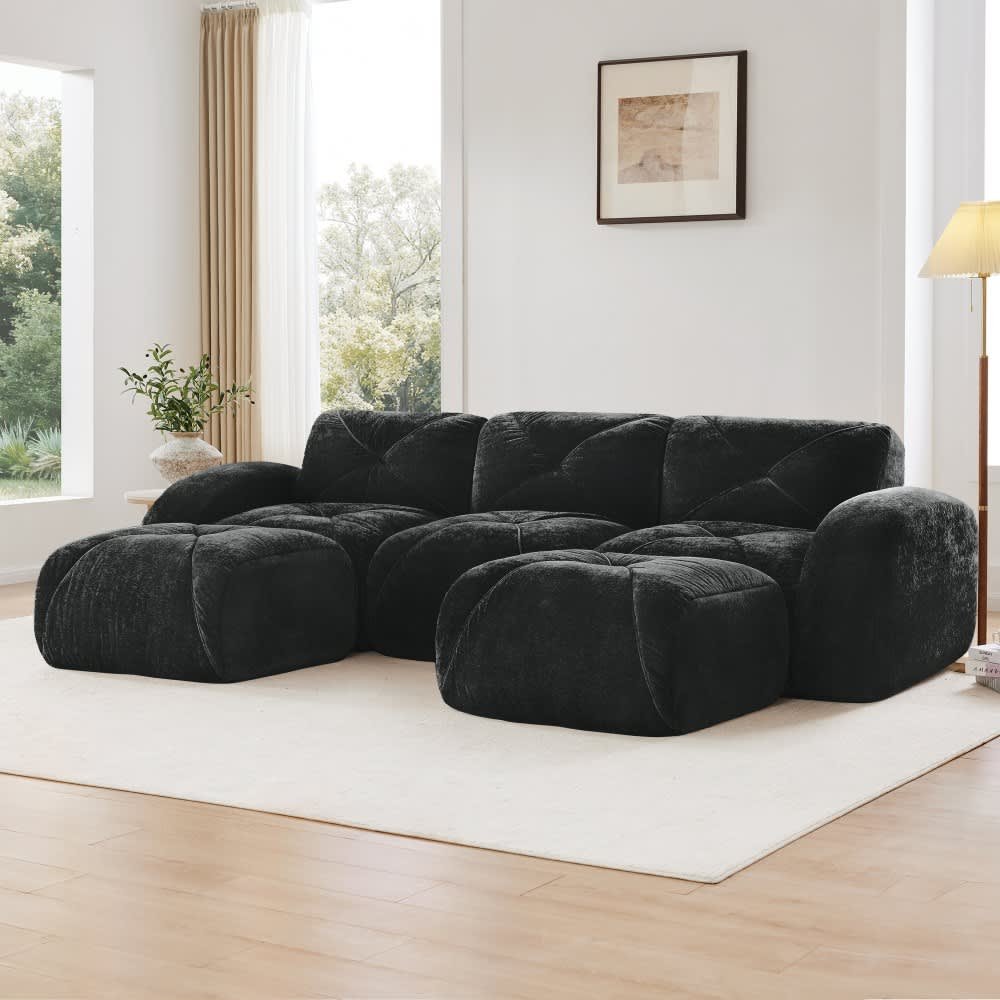
A comfortable sofa can completely change the way a living room feels. It provides a place to relax, entertain guests, enjoy a movie, or simply unwind at the end of a long day. But when space is limited, choosing the right seating can be a challenge. A large traditional sectional may overwhelm the room, while a small couch might not offer enough seating.
That is where a small sectional sofa can make a real difference. Designed to provide generous seating without taking over the room, a compact sectional combines comfort, function, and style in one practical piece of furniture. With the right size, shape, fabric, and layout, it can make even a modest living room feel inviting and well organized.
Why Choose a Small Sectional Sofa?
A small sectional sofa is designed for homes where every inch matters. Unlike oversized sectional couches, compact models can fit comfortably into apartments, smaller living rooms, bedrooms, home offices, and multipurpose spaces.
One of the biggest advantages is seating capacity. A small L-shaped sofa can often accommodate several people while using the available floor space efficiently. The corner design makes use of an area that might otherwise remain empty, helping create a more functional seating arrangement.
A compact sectional can also give a room a more finished appearance. Instead of arranging several separate chairs and sofas, you can create one cohesive seating area that feels comfortable and visually balanced.
Finding the Right Size for Your Room
Measure Before You Buy
Size should always be considered before appearance. A sectional that looks perfect in a showroom may feel completely different in a small room.
Measure the available wall and floor space carefully, including the distance between the sofa and nearby furniture. Remember to consider doorways, hallways, staircases, and other areas the sofa must pass through during delivery.
Leave enough room for comfortable movement around the furniture. A sofa should provide seating without making the room feel cramped.
Consider the Sofa’s Orientation
Small sectional sofas commonly come in left-facing, right-facing, and reversible configurations. The chaise or extended portion should work naturally with the room’s layout.
Think about where windows, doors, television units, and walkways are located. Choosing the correct orientation can make a surprisingly large difference in how spacious the room feels.
Popular Styles of Small Sectional Sofas
Small L-Shaped Sectional
An L-shaped sectional is one of the most popular choices for compact spaces. Its shape creates a natural corner seating area while leaving the center of the room relatively open.
This style works especially well in apartments and small family rooms because it combines multiple seats with a practical footprint.
Small U-Shaped Sectional
A compact U-shaped sectional can provide an especially social seating arrangement. However, it generally requires more floor space than an L-shaped design, so accurate measurements are important.
When the room allows it, a small U-shaped sofa can create a cozy conversation area where people naturally face one another.
Reversible Sectional Sofa
A reversible sectional offers extra flexibility because the chaise can often be positioned on either side. This can be useful for renters or homeowners who like to rearrange their furniture.
It also gives you more freedom when changing the room’s layout later.
Choosing the Right Upholstery
The material of a sectional sofa affects its appearance, comfort, durability, and maintenance.
Fabric upholstery is popular because it comes in countless colors and textures. Linen-look materials can create a relaxed atmosphere, while woven fabrics often add visual warmth and depth.
For busy households, performance fabrics can be particularly practical because they are designed with everyday use in mind. Leather and faux leather provide a different aesthetic and can give a compact sectional a cleaner, more structured appearance.
Neutral shades such as beige, cream, gray, taupe, and greige are versatile choices. They can easily work with different wall colors, rugs, curtains, and decorative accessories.
Comfort Matters as Much as Style
A beautiful sofa is not particularly useful if it is uncomfortable. When choosing a small sectional, pay attention to seat depth, cushion firmness, back support, and armrest height.
Some people prefer deep, soft cushions that create a relaxed lounging experience. Others prefer firmer seating that makes sitting upright easier. If possible, test the sofa before purchasing it.
The chaise is another important consideration. A well-padded chaise can provide a comfortable place to stretch out, read, or watch television without requiring a large sofa.
How to Style a Small Sectional Sofa
Keep the Surrounding Furniture Proportional
A compact sectional usually looks best when paired with furniture of a similar visual scale. A massive coffee table or oversized armchair can make the room feel crowded.
A small round or oval coffee table can provide a practical surface while maintaining an easy walking path. Slim side tables can also add function without taking up much floor space.
Add Texture With Soft Accessories
Throw pillows and blankets are simple ways to personalize a sectional. Combining different textures can make a neutral sofa feel warmer and more interesting.
A textured rug underneath the seating area can help define the living space, especially in an open-plan apartment. Curtains, artwork, plants, and lighting can then be used to create a cohesive look.
Use Color Carefully
A neutral small sectional gives you plenty of freedom with decorative colors. You can introduce personality through cushions, artwork, rugs, and accent pieces rather than choosing an unusually bold sofa color.
If the room is already colorful, a simple gray, cream, or beige sectional can help create visual balance.
Small Sectional Sofa Ideas for Different Spaces
A compact sectional is not limited to a conventional living room. In a studio apartment, it can help separate the lounge area from the sleeping or dining space. In a home office, a small sofa can provide a comfortable spot for reading or informal meetings.
A sectional can also work well in a finished basement, guest room, entertainment room, or larger bedroom. The key is matching the sofa’s proportions to the space rather than choosing furniture based solely on appearance.
Making a Small Room Feel Larger
Furniture placement plays an important role in how spacious a room feels. Positioning a sectional thoughtfully can preserve open floor space and create clearer pathways.
Light-colored upholstery, natural light, mirrors, and uncluttered surfaces can also contribute to an airy atmosphere. Keeping decorative items intentional rather than excessive helps prevent the room from feeling visually busy.
Another useful approach is to choose a sectional with raised legs. The visible floor underneath can create a lighter visual effect compared with a bulky sofa that sits directly on the floor.
What to Look for When Shopping
When comparing compact sectional sofas, look beyond the overall appearance. Pay attention to dimensions, frame construction, cushion quality, upholstery, seat height, and the configuration of the chaise.
It is also worth considering how the sofa will be used. A sectional for occasional entertaining may have different requirements from one that will handle everyday family use.
Removable cushion covers can make maintenance easier, while sturdy construction can be important for a household where the sofa receives frequent use.
FAQs
Is a small sectional good for an apartment?
Yes. A compact sectional can provide several seats while making efficient use of limited floor space.
What shape is best for a small living room?
An L-shaped sectional is often practical because it uses a corner efficiently and provides comfortable seating.
Can a sectional make a room look bigger?
The right-sized sectional can help a room feel organized and open. An oversized model, however, can make the space feel crowded.
Are neutral sectional sofas easy to decorate?
Yes. Neutral colors such as beige, gray, cream, and taupe work well with many different decorating styles.
Should I choose a reversible chaise?
A reversible chaise can be a useful option if you expect to change your furniture arrangement or move the sofa to another room.
Conclusion
A small sectional sofa proves that limited space does not have to mean limited comfort. With thoughtful measurements, a suitable configuration, durable upholstery, and well-chosen accessories, a compact sectional can become the comfortable centerpiece of a stylish home. The best choice is one that fits both your room and the way you actually live.
