

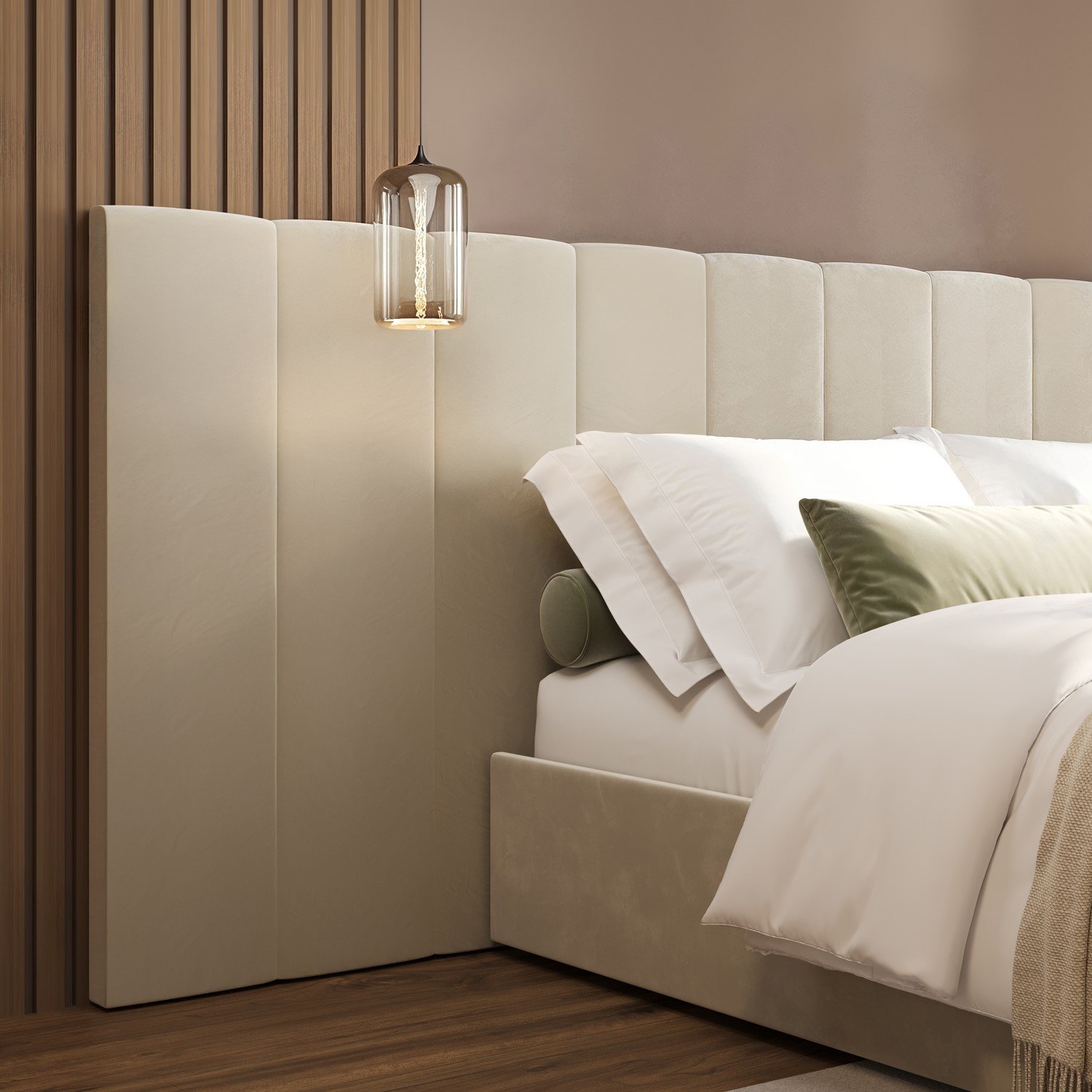
Choosing the right headboard can completely transform a plain bed into the focal point of your bedroom and this guide will show you exactly how to pick, install, and care for one that fits your space, budget, and sleep style perfectly.
A headboard is more than a decorative panel behind your pillows. It protects your wall, adds architectural interest, and can even improve how well you sleep by giving your bedroom a finished, calming feel. Whether you’re furnishing a first apartment or upgrading a master suite, this guide covers everything you need to know before you buy.
What Is a Headboard? (And Why It Matters More Than You Think)
A headboard is the vertical panel attached to the head of a bed frame, either freestanding, wall-mounted, or attached directly to the frame. Beyond aesthetics, it serves practical purposes: cushioning your back while reading in bed, preventing pillows from sliding off, and shielding your wall from scuffs and oil marks over time.
Interior designers often call the headboard the “anchor piece” of a bedroom because it sets the tone for everything else bedding, wall color, and even lighting choices. A well-chosen headboard can make a small room feel intentional rather than unfinished.
Why Every Bed Needs a Headboard
Skipping a headboard is one of the most common bedroom design mistakes. Here’s why adding one is almost always worth it:
- Visual anchor – Gives the bed a defined “front,” making the room feel styled rather than sparse.
- Wall protection – Prevents marks, dents, and moisture damage from direct contact with the mattress.
- Added comfort – Padded and upholstered options provide back support for reading, working, or relaxing in bed.
- Noise reduction – Upholstered headboards can slightly dampen sound in bedrooms with hard walls.
- Increased home value – A well-designed bedroom, including furniture choices like headboards, is frequently noted in real estate listings and staging guides.
Types of Headboards: Materials, Styles, and Structures

Understanding the different categories helps you match a headboard to both your décor and your budget.
By Material
- Upholstered headboards – Fabric or faux-leather covered, often with foam padding; soft, comfortable, and available in tufted or channel designs.
- Wooden headboards – Solid wood or engineered wood; durable and versatile, ranging from rustic farmhouse to sleek modern finishes.
- Metal headboards – Wrought iron or metal-frame designs; lightweight, often vintage or industrial in style.
- Rattan and wicker headboards – Popular in boho and coastal interiors for their natural texture.
- Upcycled or DIY headboards – Reclaimed wood, pallets, or repurposed doors for a budget-friendly, unique look.
By Structure
- Wall-mounted headboards – Attached directly to the wall, ideal for platform beds or floating bed frames.
- Freestanding headboards – Attached to the bed frame itself; easier to move and reposition.
- Panel headboards – Simple, flat designs that suit minimalist bedrooms.
- Curved or arched headboards – A growing trend for softening the room’s geometry.
How to Choose the Right Headboard for Your Bedroom
Picking a headboard isn’t just about looks it’s about proportion, function, and long-term satisfaction. Consider these factors before buying:
- Bed size compatibility – Always match the headboard width to your mattress size (see the sizing guide below).
- Room scale – A tall, bold headboard suits spacious rooms, while a low-profile design works better in smaller spaces.
- Existing décor style – Match materials and tones with your nightstands, flooring, and wall color.
- Comfort needs – If you read or work in bed often, prioritize a padded or upholstered option.
- Maintenance tolerance – Fabric headboards need more upkeep than wood or metal.
- Budget – Solid wood and custom upholstery cost more; engineered wood and metal frames are more affordable.
Headboard Sizes: A Quick Reference Guide
Getting the size right avoids one of the most frustrating buying mistakes. Use this general guide when shopping:
| Mattress Size | Typical Headboard Width |
|---|---|
| Twin | 39–41 inches |
| Full/Double | 54–57 inches |
| Queen | 60–63 inches |
| King | 76–78 inches |
| California King | 72–74 inches |
Always double-check manufacturer measurements, since headboard width can vary slightly by brand and design.
Trending Headboard Styles in 2026
Design trends shift each year, and headboards are no exception. Current favorites include:
- Arched and curved silhouettes for a softer, organic look.
- Boucle and textured fabric upholstery for tactile comfort.
- Two-tone wood and metal combinations blending warmth with an industrial edge.
- Oversized, statement headboards that extend beyond the mattress width for a dramatic effect.
- Sustainable materials, including FSC-certified wood and recycled fabrics, reflecting growing eco-conscious buying habits.
DIY vs. Buying a Headboard
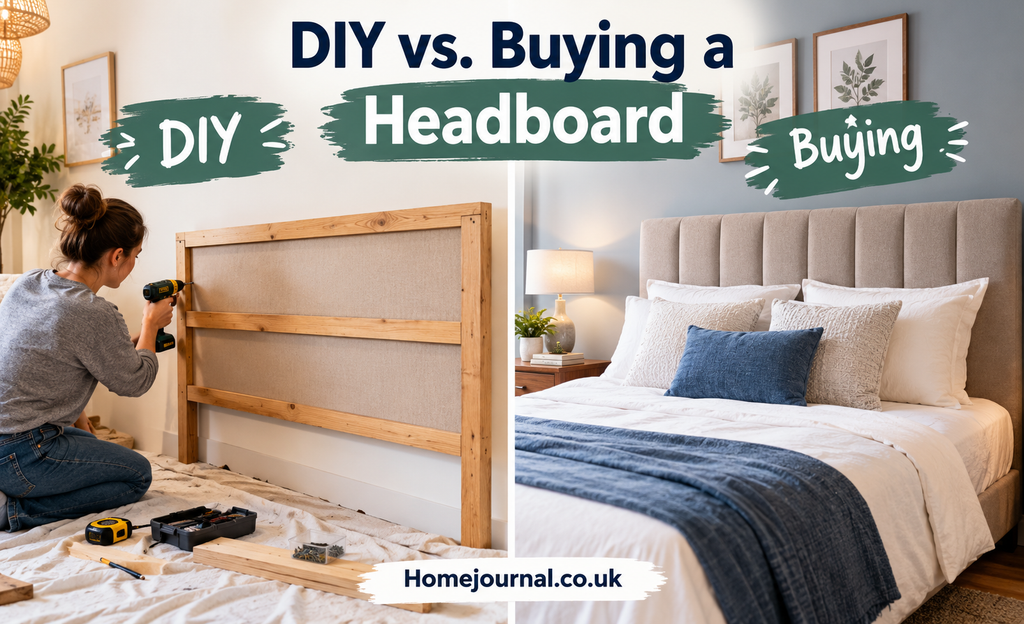
Deciding between building your own or purchasing one depends on your budget, time, and skill level.
DIY Headboard
- Pros: Fully customizable size and fabric; often cheaper; rewarding weekend project.
- Cons: Requires tools and basic woodworking skills; time-consuming; results vary in polish.
Store-Bought Headboard
- Pros: Professionally finished; wide style selection; usually comes with assembly instructions and warranty.
- Cons: Higher cost for custom sizes; less personalization; shipping damage risk with large pieces.
If you’re comfortable with basic tools, a DIY upholstered headboard using plywood, foam, and fabric is one of the most cost-effective bedroom upgrades available.
How to Install a Headboard (Step-by-Step)
Installing a headboard correctly ensures stability and prevents wall damage. Here’s a simplified process:
- Measure and mark the wall studs or bed frame attachment points.
- Attach mounting brackets (for wall-mounted styles) at the correct height typically 4–6 inches above the mattress top.
- Secure the headboard to the bed frame using bolts, if it’s a frame-attached model.
- Check for level alignment using a spirit level before final tightening.
- Test stability by gently pushing the headboard to confirm it’s securely fastened.
For heavier upholstered or wooden headboards, anchoring into wall studs (rather than drywall alone) is strongly recommended for safety.
Headboard Care and Maintenance Tips
A little upkeep extends the life and appearance of your headboard significantly:
- Upholstered: Vacuum monthly with a soft brush attachment; spot-clean stains immediately with a fabric-safe cleaner.
- Wood: Dust regularly and use wood polish every few months to prevent drying or cracking.
- Metal: Wipe with a dry cloth; check for rust in humid climates.
- All types: Keep out of direct sunlight where possible to prevent fading and material degradation over time.
Common Mistakes to Avoid When Buying a Headboard

Even experienced shoppers fall into these traps:
- Choosing a headboard that’s too narrow or too wide for the mattress.
- Ignoring wall-mounting requirements before purchase.
- Prioritizing looks over comfort for daily use.
- Forgetting to measure ceiling height for tall, statement headboards.
- Overlooking fabric durability for households with pets or children.
Pros and Cons of Popular Headboard Materials
| Material | Pros | Cons |
|---|---|---|
| Upholstered | Comfortable, sound-dampening, stylish | Harder to clean, can stain |
| Wood | Durable, timeless, low maintenance | Heavier, pricier for solid wood |
| Metal | Lightweight, affordable, easy to clean | Less cushioned, can feel cold |
| Rattan/Wicker | Unique texture, breathable | Less durable in humid climates |
FAQ’s
Q1. What height should a headboard be?
Most headboards range from 40–60 inches tall, depending on room proportions and design preference; taller headboards suit rooms with higher ceilings.
Q2. Can I attach a headboard to any bed frame?
Most standard frames support universal headboard brackets, but it’s best to confirm bracket compatibility or slot spacing before purchasing.
Q3. Are upholstered headboards worth it?
Yes — they add comfort for reading or lounging and can slightly improve room acoustics, though they require more regular cleaning than wood or metal options.
Concluion
A headboard does far more than fill empty wall space it defines your bedroom’s style, protects your walls, and adds everyday comfort you’ll notice the moment you sit up to read or relax. By matching size, material, and style to your space and lifestyle, you’ll create a bedroom that feels complete and intentional.
