

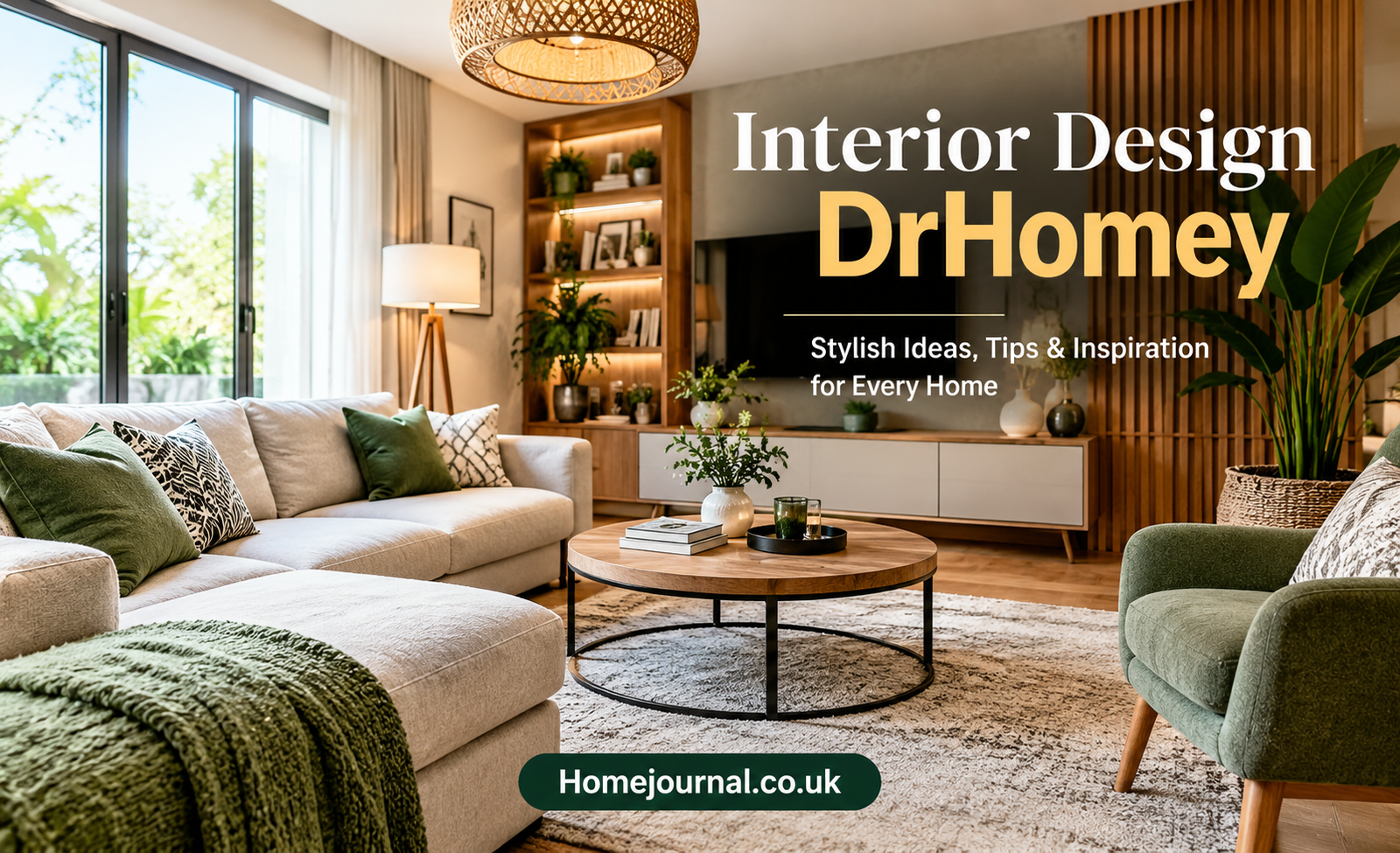
Walking into a home that feels both beautiful and effortless doesn’t happen by accident — it happens by design. That’s exactly what Interior Design DrHomey is built around: practical, expert-backed ideas that help everyday homeowners create spaces they actually love living in.
Whether you’re furnishing your first apartment, refreshing a tired living room, or planning a full home renovation, this guide walks you through everything you need to know, from timeless principles to the latest 2026 trends.
By the end of this article, you’ll have a clear roadmap for turning any room — big or small, rented or owned — into a space that reflects your personality while staying functional, affordable, and on-trend.
What Is Interior Design DrHomey?
Interior Design DrHomey is a design philosophy centered on making homes feel warm, curated, and personal without requiring a professional budget. Instead of chasing fleeting trends, DrHomey focuses on layering comfort with intention — mixing textures, colors, and functional layouts that suit real life, not just photoshoots.
This approach draws from classic interior design principles like balance, proportion, and harmony, but adapts them for modern living: smaller spaces, remote work needs, sustainability concerns, and a growing desire for homes that double as sanctuaries. The result is a style that feels both aspirational and achievable.
Core Principles of DrHomey-Style Interior Design
Every well-designed room, regardless of style, tends to follow the same foundational rules. DrHomey applies these principles consistently across every space:
- Balance — distributing visual weight evenly across a room so nothing feels lopsided
- Proportion and scale — choosing furniture that fits the room’s actual dimensions
- Contrast — pairing light and dark, soft and hard, matte and glossy for visual interest
- Rhythm — repeating colors, shapes, or patterns to guide the eye naturally
- Functionality first — never sacrificing usability for aesthetics alone
Understanding these basics helps you make confident decisions instead of guessing, whether you’re picking a sofa or deciding where to hang art.
Choosing a Color Palette That Works
Color is the fastest way to transform a room’s mood, but it’s also where most DIY design attempts go wrong. A DrHomey-inspired palette usually follows the 60-30-10 rule: 60% dominant color (walls, large furniture), 30% secondary color (accent furniture, curtains), and 10% accent color (pillows, art, decor).
Warm neutrals like greige, terracotta, and warm white are currently dominating 2026 interiors, often paired with deep greens, rust, or navy for contrast. If you’re unsure where to start, pull three colors directly from something you already own and love — a rug, a piece of art, or even a favorite piece of clothing — and build outward from there.
Furniture Layout: Function Meets Flow
A room can have gorgeous furniture and still feel wrong if the layout doesn’t work. The DrHomey approach prioritizes traffic flow first, then aesthetics. Before buying anything, map out how people will actually move through the space.
Key layout tips include:
- Leave at least 30 inches of walking space between major furniture pieces
- Float furniture away from walls in larger rooms to create intimate conversation areas
- Anchor seating arrangements with a rug that’s large enough for at least the front legs of all furniture to sit on
- Avoid pushing every piece against the wall — it often makes rooms feel smaller, not bigger
Once flow is solved, aesthetic choices like finishes and accessories become much easier to layer in.
Small Space Solutions That Actually Work
Not everyone has room to spare, and small-space design is one of the most searched interior design topics for good reason. DrHomey recommends thinking vertically and multifunctionally rather than trying to fit more furniture into limited square footage.
Effective small-space strategies include:
- Wall-mounted shelving instead of floor-standing bookcases
- Furniture with built-in storage (ottomans, storage beds, nesting tables)
- Mirrors placed opposite windows to visually double natural light
- Lighter color palettes on walls and large furniture to prevent visual heaviness
- Curtains hung close to the ceiling to make walls feel taller
Small spaces often benefit more from editing than adding — removing one unnecessary piece can open up a room more than any clever hack.
Lighting: The Most Underrated Design Element
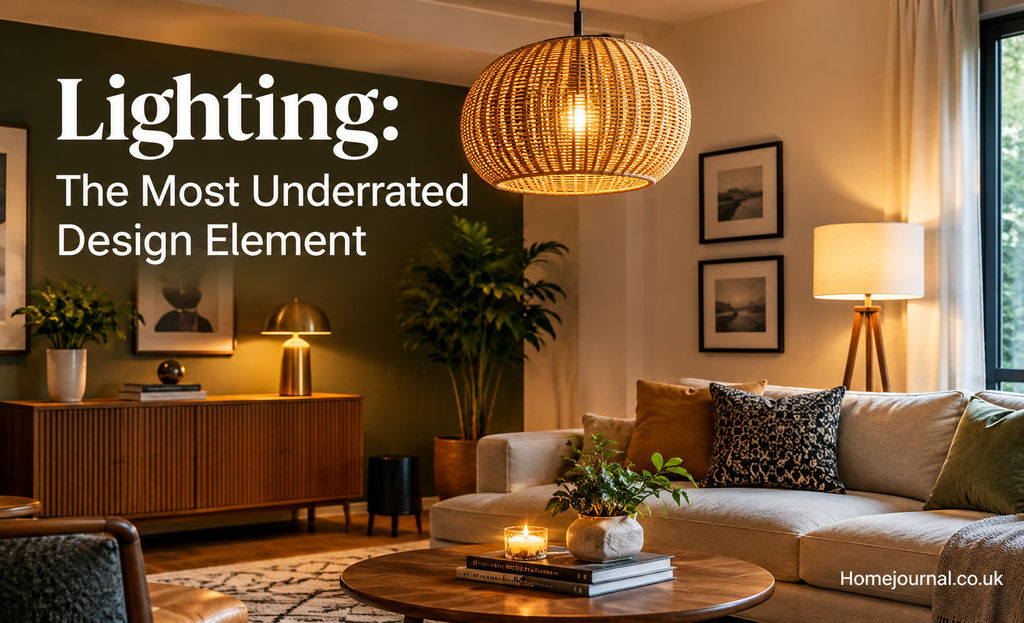
Lighting is frequently the last thing homeowners consider and the first thing that makes a room feel “off.” A layered lighting plan — combining ambient, task, and accent lighting — is essential to any polished interior.
Ambient lighting (overhead fixtures or recessed lights) sets the overall brightness of a room. Task lighting (desk lamps, under-cabinet lights) supports specific activities like reading or cooking. Accent lighting (wall sconces, picture lights) adds depth and highlights focal points.
Warm-toned bulbs (around 2700K–3000K) generally create the cozy, “homey” atmosphere DrHomey design is known for, while cooler tones suit task-heavy areas like home offices or kitchens.
Textures and Materials That Add Depth
A room built entirely from smooth, matching surfaces often feels flat, even if the color scheme is perfect. Mixing materials — wood, linen, wool, metal, ceramic, and stone — creates the tactile richness that makes a space feel intentional rather than staged.
A simple formula to follow: pick one warm material (wood, rattan, or leather), one soft material (linen, wool, or velvet), and one hard or reflective material (metal, glass, or stone) for every room. This combination naturally creates the layered, collected-over-time look that defines the DrHomey aesthetic.
Budget-Friendly Styling Tips
Great design isn’t reserved for unlimited budgets. Several of the highest-impact changes in any room cost very little:
- Rearrange existing furniture before buying anything new
- Add greenery — even faux plants instantly soften a space
- Swap hardware on cabinets and drawers for an inexpensive refresh
- Layer textiles like throws and pillows to add color and texture cheaply
- Frame and group existing photos or art instead of buying new pieces
- Shop secondhand for statement furniture, then reupholster if needed
Prioritizing spending on a few key pieces — a great sofa, a well-made rug — while saving on accessories tends to produce better results than spreading a budget thin.
How to Get Started: A Simple Action Plan
Rather than tackling an entire home at once, DrHomey recommends starting with one room and following a simple sequence: define the room’s function, set a realistic budget, choose a color palette, plan the furniture layout, then layer in lighting, textiles, and accessories last. This order prevents the common mistake of buying decor before the foundational elements are settled.
Interior Design Cost Breakdown by Room
Budgets vary widely depending on materials and whether you DIY or hire help, but this table gives a realistic starting range for a mid-range refresh of each room type.
| Room | Budget Refresh | Mid-Range Redesign | Full Renovation |
|---|---|---|---|
| Living Room | $300 – $800 | $1,500 – $4,000 | $6,000 – $15,000+ |
| Bedroom | $200 – $600 | $1,000 – $3,000 | $4,000 – $10,000+ |
| Kitchen | $500 – $1,200 | $3,000 – $8,000 | $15,000 – $40,000+ |
| Bathroom | $300 – $800 | $2,000 – $6,000 | $10,000 – $25,000+ |
| Home Office | $150 – $500 | $800 – $2,500 | $3,000 – $7,000+ |
These ranges assume furniture, paint, and basic decor for budget and mid-range tiers, and include materials plus labor for full renovations. Actual costs will shift based on location, material quality, and whether structural changes are involved.
2026 Interior Design Trends to Know
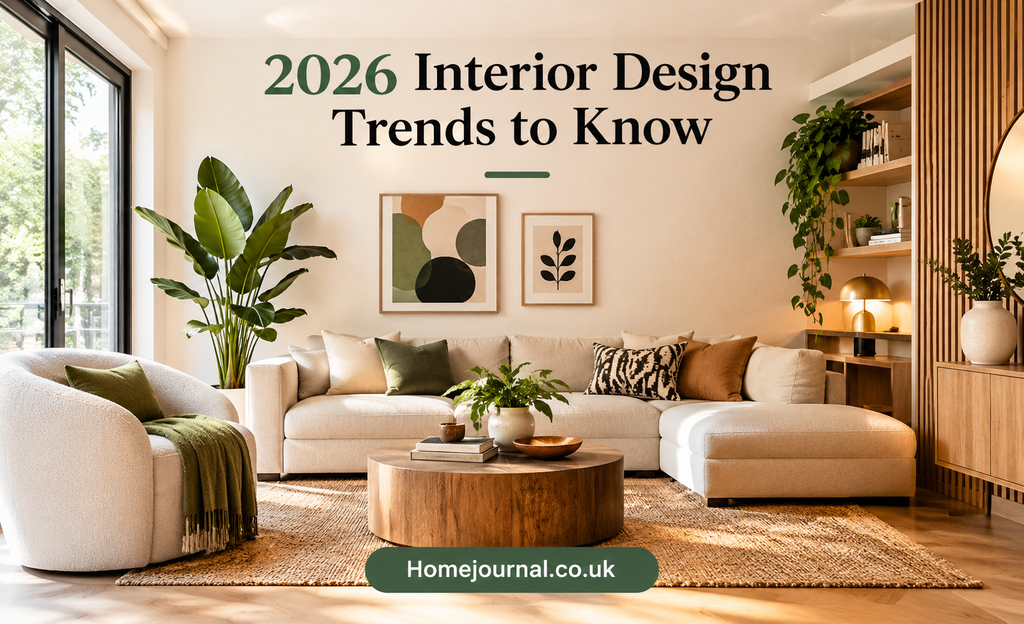
Design trends shift each year, and staying aware of them helps keep a home feeling current without requiring a full overhaul. This year’s standout trends include a continued move toward biophilic design (natural materials, indoor plants, organic shapes), curved furniture silhouettes replacing sharp angles, and a resurgence of maximalist gallery walls after years of minimalist restraint.
Sustainability also continues to shape purchasing decisions, with more homeowners choosing secondhand, refurbished, or locally made furniture over fast-furniture alternatives. Multipurpose rooms — home offices that convert into guest rooms, or living rooms that flex for remote work — remain essential as hybrid work continues.
Common Interior Design Mistakes to Avoid
Even well-intentioned design efforts can go wrong in predictable ways. Being aware of these common pitfalls can save time, money, and frustration:
- Buying furniture before measuring the room
- Choosing a rug that’s too small for the seating area
- Hanging art too high (center of artwork should sit at eye level, roughly 57–60 inches from the floor)
- Matching everything too perfectly instead of layering varied pieces
- Ignoring lighting temperature and relying only on one overhead source
- Overcrowding a small room with oversized furniture
Pros and Cons of DIY Interior Design
| Pros | Cons |
|---|---|
| Lower cost than hiring a professional designer | Steeper learning curve for layout and proportion |
| Full creative control over every decision | Time-intensive research and trial-and-error |
| Flexibility to make changes gradually | Risk of costly mistakes without guidance |
| Personal, one-of-a-kind result | No professional trade discounts on furniture |
How to Get Started: A Simple Action Plan
Rather than tackling an entire home at once, DrHomey recommends starting with one room and following a simple sequence: define the room’s function, set a realistic budget, choose a color palette, plan the furniture layout, then layer in lighting, textiles, and accessories last. This order prevents the common mistake of buying decor before the foundational elements are settled.
How to Get Started: A Simple Action Plan
Rather than tackling an entire home at once, DrHomey recommends starting with one room and following a simple sequence: define the room’s function, set a realistic budget, choose a color palette, plan the furniture layout, then layer in lighting, textiles, and accessories last. This order prevents the common mistake of buying decor before the foundational elements are settled.
FAQ’s
Q1. What is the DrHomey interior design style?
It’s a layered, comfort-focused approach that blends timeless design principles with modern trends, prioritizing spaces that feel warm and personal rather than purely trendy.
Q2. How much does it cost to redesign a room on a budget?
A meaningful refresh can often be done for a few hundred dollars by focusing on paint, textiles, and rearranging existing furniture before buying new pieces.
Q3. What’s the easiest way to make a small room look bigger?
Use lighter colors, mirrors opposite windows, and vertical storage instead of floor-standing furniture to create the illusion of more space.
Conclusion
Great interior design isn’t about following every trend or spending beyond your means — it’s about understanding a few core principles and applying them with intention. From color palettes and lighting to layout and texture, every choice covered in this guide builds toward homes that feel authentically comfortable, not just visually staged. Start with one room, apply these DrHomey principles, and watch how small, deliberate changes add up to a space that truly feels like home.
