

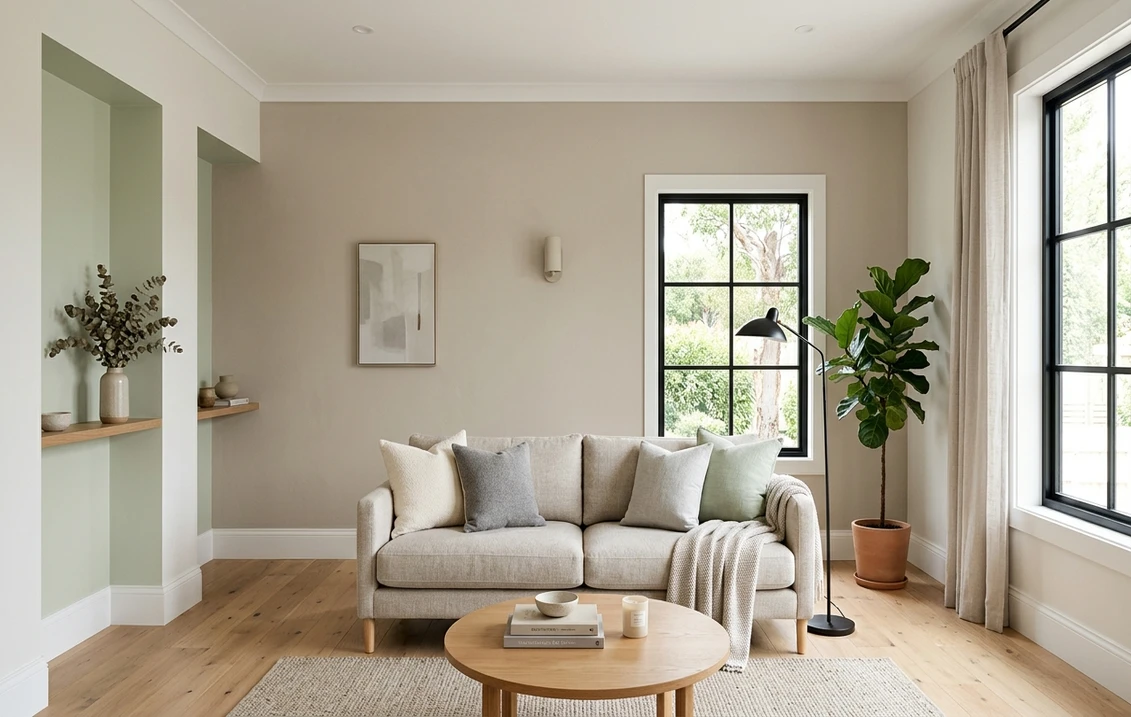
Greige color is exactly what its name suggests: a thoughtful blend of gray and beige. It combines the cool, refined character of gray with the soft warmth of beige, creating a balanced neutral that feels both contemporary and inviting.
Unlike some neutral shades that can appear stark or flat, greige has a subtle depth that changes beautifully throughout the day. Natural sunlight can make it look warmer, while cooler artificial lighting may bring out its gray undertones. This flexibility is one of the reasons greige paint has become such a popular choice for interior design.
The beauty of this shade is that it does not demand attention. Instead, it creates a comfortable background that allows furniture, artwork, fabrics, and decorative accents to stand out naturally.
Why Has Greige Become So Popular?
Interior design trends come and go, but versatile neutral colors tend to have lasting appeal. Greige sits comfortably between traditional beige and modern gray, making it an easy choice for homeowners who want something fresh without committing to an overly dramatic color.
A Balance Between Warm and Cool
One of greige’s biggest strengths is its balance. Pure gray can sometimes feel cold, particularly in rooms with limited natural light. Beige, on the other hand, can occasionally feel too warm or traditional. Greige bridges that gap.
Its balanced appearance makes a room feel polished while still maintaining a relaxed atmosphere. That makes it particularly useful in living rooms, bedrooms, dining areas, hallways, and open-plan spaces.
A Neutral That Works With Different Styles
Greige is not limited to one decorating style. It can complement modern, minimalist, Scandinavian, farmhouse, transitional, rustic, and even classic interiors.
In a contemporary room, greige walls can provide a sophisticated backdrop for clean-lined furniture. In a traditional setting, the same color can soften darker wood finishes and classic furnishings.
Understanding Greige Undertones
Choosing a greige shade is not simply a matter of picking the color that looks best on a screen. Different greige colors can have noticeably different undertones, and those undertones affect how the paint appears in a particular room.
Some shades lean more toward beige, creating a warm and cozy appearance. Others contain stronger gray undertones and feel cleaner and more contemporary. You may also find greige shades with subtle hints of taupe, cream, or brown.
Why Lighting Matters
Lighting can completely change the personality of greige. A room filled with warm sunlight may make a greige wall appear creamy and beige, while a north-facing room can emphasize its cooler gray qualities.
Before painting an entire room, it is wise to observe a sample at different times of day. Morning, afternoon, and evening lighting can reveal differences that are easy to miss initially.
How to Use Greige Color in Your Home
Greige is remarkably adaptable, which means it can be used in more places than just painted walls.
Greige Walls
Greige walls are one of the easiest ways to introduce this neutral shade into a home. The color provides enough character to prevent a room from feeling plain while remaining subtle enough to work with changing furniture and décor.
It is especially effective in open-concept homes because it can visually connect different areas without making every space feel identical.
Greige Furniture
A greige sofa, armchair, bed frame, or upholstered dining chair can add softness without overwhelming the room. Because the color sits between gray and beige, it can work with both warm and cool decorative elements.
Greige furniture is also practical from a design perspective because it can adapt when you change accent colors or accessories.
Greige Cabinets and Woodwork
Kitchen cabinets in a warm greige shade can create a refined alternative to traditional white or darker cabinetry. Paired with natural wood, stone countertops, brushed metal hardware, or cream-colored walls, greige cabinets can give a kitchen a calm and sophisticated appearance.
What Colors Go Well With Greige?
One of the most appealing qualities of greige is how easily it works with other colors. Soft white and cream can create a bright, elegant combination, while charcoal and black provide stronger contrast.
For a more natural atmosphere, pair greige with sage green, olive, muted blue, terracotta, or earthy brown. These shades complement its warm-neutral character without competing with it.
Greige and White
Greige and white create a clean but softer alternative to an all-white room. Crisp white trim can emphasize the subtle depth of greige walls, while warmer white furnishings can create a more relaxed appearance.
Greige and Natural Wood
Few combinations feel as naturally welcoming as greige and wood tones. Oak, walnut, pine, and other natural finishes can add texture and warmth to a greige interior.
This pairing works particularly well in bedrooms and living rooms where comfort is just as important as visual appeal.
Greige and Dark Accents
For a more dramatic look, introduce black, charcoal, or deep navy accents. Darker elements can give a greige room definition and prevent the neutral palette from appearing too soft.
The contrast can be introduced through lighting fixtures, window frames, furniture, artwork, or smaller decorative pieces.
Greige vs. Beige: What’s the Difference?
Beige is generally warmer and more yellow or creamy, while greige contains a noticeable gray component. As a result, beige often creates a traditional and cozy feeling, whereas greige tends to appear more balanced and contemporary.
The choice between them depends on the atmosphere you want. If you prefer a distinctly warm interior, beige may be the better fit. If you want warmth with a cleaner, modern edge, greige can offer the best of both worlds.
Greige vs. Gray: Which One Should You Choose?
Gray is typically associated with a cooler, more modern appearance. Greige introduces warmth without losing the sophisticated quality associated with gray.
If your room already contains warm wood, cream fabrics, or earthy accessories, greige can help everything feel connected. If the space features cooler metals, white surfaces, and crisp contemporary details, a gray shade may provide a sharper look.
The amount of natural light should also influence your decision. Greige can help soften rooms where a cooler gray might otherwise feel somewhat stark.
Creating a Cozy Greige Interior
A greige color palette does not have to look boring or monochromatic. The key is to introduce layers of texture and slightly different neutral tones.
A combination of linen curtains, woven baskets, soft rugs, wooden furniture, ceramic accessories, and textured cushions can give a greige room plenty of visual interest. Rather than relying on bold colors, the room gains personality through materials, shapes, and subtle variations.
This approach is particularly effective for minimalist interiors because it maintains a calm appearance without making the space feel empty.
Is Greige a Good Choice for Small Rooms?
Yes, greige can work beautifully in smaller spaces. Its soft neutral quality can make a room feel calm and cohesive without creating the visual heaviness that sometimes comes with darker colors.
In a compact bedroom, for example, a light greige shade can create a peaceful backdrop for white bedding and natural wood furniture. Mirrors, good lighting, and lighter textiles can further enhance the sense of openness.
The specific shade still matters, however. A very dark or heavily taupe-toned greige may make a small room feel more enclosed, especially when natural light is limited.
How to Choose the Right Greige Shade
Start by considering the existing elements in the room. Look at your flooring, furniture, countertops, curtains, and other permanent finishes. A greige shade should complement these features rather than compete with them.
Next, consider the room’s natural lighting. Sample several shades on the wall and observe them throughout the day. A color that looks perfect under a store’s lighting may appear noticeably different at home.
Finally, think about the mood you want to create. Warm greige shades are ideal for cozy and welcoming spaces, while cooler greige tones can produce a cleaner and more contemporary atmosphere.
FAQs
What is greige color?
Greige is a neutral shade created by combining gray and beige. It offers the warmth of beige with the refined appearance of gray.
Is greige warm or cool?
Greige can be either warm or cool depending on its undertones. Some shades lean beige, while others have stronger gray undertones.
What colors look best with greige?
Greige pairs well with white, cream, black, navy, sage green, natural wood, muted terracotta, and other earthy tones.
Is greige still a popular color?
Yes. Its versatility and timeless appearance make greige a popular choice for walls, furniture, cabinetry, and interior décor.
Can greige work with modern interiors?
Absolutely. Greige works particularly well with minimalist furniture, natural materials, clean lines, and contemporary finishes.
Conclusion
Greige color offers a rare combination of warmth, sophistication, and flexibility. By blending the familiar comfort of beige with the modern character of gray, it creates a neutral foundation that can evolve with your style. Whether used on walls, furniture, cabinets, or decorative accents, greige brings effortless balance to almost any interior.
