

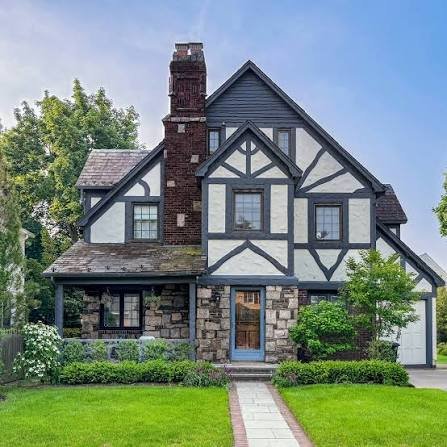
A Tudor style house has a distinctive charm that is hard to overlook. With steeply pitched roofs, decorative timber framing, tall chimneys, brick or stucco walls, and beautifully detailed windows, these homes have a storybook quality that continues to attract homeowners. Although the style is rooted in centuries-old English architecture, Tudor homes can still feel remarkably comfortable and relevant today.
What makes this architectural style especially appealing is its combination of character and warmth. Rather than relying on perfectly symmetrical lines or minimal decoration, a Tudor house embraces interesting shapes, natural materials, cozy spaces, and handcrafted-looking details. The result is a home that feels established, welcoming, and full of personality.
What Is a Tudor Style House?
A Tudor style house is a residential design inspired by architecture associated with Tudor England during the late medieval and early Renaissance periods. The style is recognized by its dramatic rooflines, prominent gables, half-timbered exterior details, masonry construction, and traditional craftsmanship.
Modern Tudor homes are not exact copies of historic English houses. Instead, they reinterpret those characteristics for contemporary living. This is why you may find everything from modest Tudor cottages to large Tudor Revival estates.
The Distinctive Look of Tudor Architecture
One of the first things people notice about a Tudor home is its roof. Steeply pitched gable roofs give the exterior a dramatic silhouette, while overlapping roof sections can make the house appear larger and more complex.
Dark timber framing against lighter stucco is another familiar feature. These decorative beams are often arranged in vertical, horizontal, or diagonal patterns across the exterior. Brick, stone, and wood may also be combined to create visual depth and an old-world appearance.
Tall brick chimneys are another classic element. In many Tudor-inspired homes, the chimney becomes an architectural focal point rather than simply a practical feature.
The History Behind Tudor Style Homes
The roots of Tudor architecture can be traced to England, where building traditions changed considerably between the 15th and 16th centuries. Historic homes often used locally available materials, timber framing, masonry, and craftsmanship suited to the region.
The Tudor look later inspired architects in other parts of the world. In the United States, Tudor Revival architecture became particularly popular during the early 20th century. Architects borrowed recognizable English details and adapted them to larger suburban houses.
From English Tradition to Tudor Revival
Tudor Revival homes captured the imagination of homeowners who wanted something more distinctive than the increasingly standardized houses of the period. Steep roofs, arched entrances, decorative half-timbering, leaded-glass windows, and massive fireplaces helped create a sense of history.
Many of these homes remain desirable today because their architectural character has aged gracefully. Even when surrounded by newer construction, an authentic Tudor house can stand out without looking out of place.
Key Features of a Tudor Style House
A Tudor home’s personality comes from the way several architectural details work together. The exterior often combines contrasting textures, while the interior continues the same emphasis on craftsmanship and comfort.
Steep Gable Roofs and Dramatic Rooflines
The roof is one of the defining features of Tudor architecture. Steep slopes and multiple gables create a distinctive profile that immediately separates Tudor homes from simpler architectural styles.
These rooflines also contribute to the cozy feeling associated with Tudor interiors. Sloped ceilings, dormer windows, and unusual room shapes can make individual spaces feel intimate and memorable.
Half-Timbered Exteriors
Decorative half-timbering is perhaps the most recognizable Tudor feature. Dark wood beams are placed against stucco or masonry to create bold geometric patterns.
In modern Tudor Revival houses, this timbering is often decorative rather than structural. Even so, it remains an important part of the style because it gives the exterior its signature historic character.
Brick, Stone, and Stucco
Tudor homes frequently use a mixture of natural and traditional-looking materials. Brick walls can provide warmth and durability, while stone adds texture around entrances, foundations, fireplaces, or lower sections of the exterior.
Stucco is often used between timber beams, creating the familiar light-and-dark contrast. Together, these materials give a Tudor house a rich appearance that changes subtly with natural light and weather.
Leaded-Glass and Diamond-Pane Windows
Windows are another important detail. Traditional Tudor-inspired homes may feature small panes arranged in diamond or rectangular patterns. Leaded-glass windows can add decorative interest while reinforcing the historic atmosphere.
Modern homeowners can preserve this appearance while choosing contemporary window technology for improved insulation, security, and energy efficiency.
Why People Love Tudor Style Houses
There is something naturally inviting about a Tudor home. Its combination of masonry, timber, warm colors, and irregular shapes can make the property feel established and comfortable rather than overly formal.
A Strong Sense of Personality
Unlike highly minimalist homes, Tudor architecture celebrates detail. An unusual gable, an arched doorway, exposed beams, or a large fireplace can give the property a memorable identity.
This individuality is one reason Tudor homes continue to appeal to people who want their house to feel like more than just a functional structure.
Cozy and Character-Rich Interiors
The Tudor influence often continues indoors through wood-beamed ceilings, hardwood floors, stone fireplaces, paneled walls, arched doorways, and warm finishes.
These details can create a comfortable atmosphere that works especially well in living rooms, libraries, dining areas, and other spaces designed for relaxing or entertaining.
Decorating a Tudor Style House
Interior design can either strengthen a Tudor home’s architectural character or compete with it. The most successful approach usually respects the original features while making the space practical for modern life.
Choosing Warm, Natural Materials
Wood, stone, leather, wool, iron, and natural textiles complement Tudor architecture beautifully. Rich but understated colors can also work well with exposed beams and masonry.
The goal does not have to be creating a museum-like interior. Contemporary furniture can look excellent in a Tudor home when its shapes and materials complement the building rather than overpowering it.
Balancing Historic Character With Modern Comfort
A Tudor house can have traditional architecture without feeling old-fashioned. Modern lighting, comfortable seating, updated kitchens, contemporary bathrooms, and efficient appliances can all fit into the home when introduced thoughtfully.
The key is balance. Preserving original architectural details while updating areas that genuinely need improvement allows the house to retain its identity without sacrificing convenience.
Designing or Restoring a Tudor Home
Restoring a Tudor style house requires a thoughtful approach. Older properties may contain original woodwork, masonry, windows, doors, fireplaces, or other details that contribute significantly to their character.
Before replacing an original feature, it is worth considering whether it can be repaired or restored. Small imperfections may actually be part of what makes an older home special.
Maintaining Authentic Architectural Details
When making improvements, materials and proportions matter. Natural stone, traditional brickwork, timber details, appropriate window designs, and historically compatible finishes can help preserve the visual language of the house.
At the same time, restoration does not mean every modern improvement must be rejected. Heating, insulation, electrical systems, plumbing, and other essential elements can often be upgraded discreetly.
Is a Tudor Style House Right for Modern Living?
Absolutely, provided the home’s layout and condition suit the household. Tudor houses can offer spacious living areas, distinctive rooms, substantial construction, and a strong architectural identity.
However, their unusual floor plans may not have the open layouts found in many newer homes. Some properties also require more maintenance because of their age, complex roofs, masonry, timber details, or specialized windows.
For buyers who value craftsmanship, history, and architectural character, those considerations may be worthwhile.
FAQs
What makes a house Tudor style?
Steep roofs, decorative timber framing, masonry, tall chimneys, and traditional window designs are common Tudor features.
When were Tudor Revival homes popular?
Tudor Revival homes became especially popular in the early 20th century, particularly in the United States.
What materials are common in Tudor houses?
Brick, stone, stucco, timber, and wood are among the most common materials associated with the style.
Are Tudor homes suitable for modern families?
Yes. With thoughtful updates, Tudor homes can provide comfortable and functional spaces for contemporary lifestyles.
How can I preserve a Tudor home’s character?
Maintain original architectural details where possible and choose renovations, materials, and finishes that complement the home’s traditional design.
Conclusion
A Tudor style house offers something increasingly rare: a home with a genuine sense of identity. Its steep gables, timber details, masonry, cozy interiors, and handcrafted appearance create an architectural style that remains captivating generations later. Whether preserved as a historic property or thoughtfully updated for modern life, a Tudor home proves that classic design can remain both beautiful and practical.
