

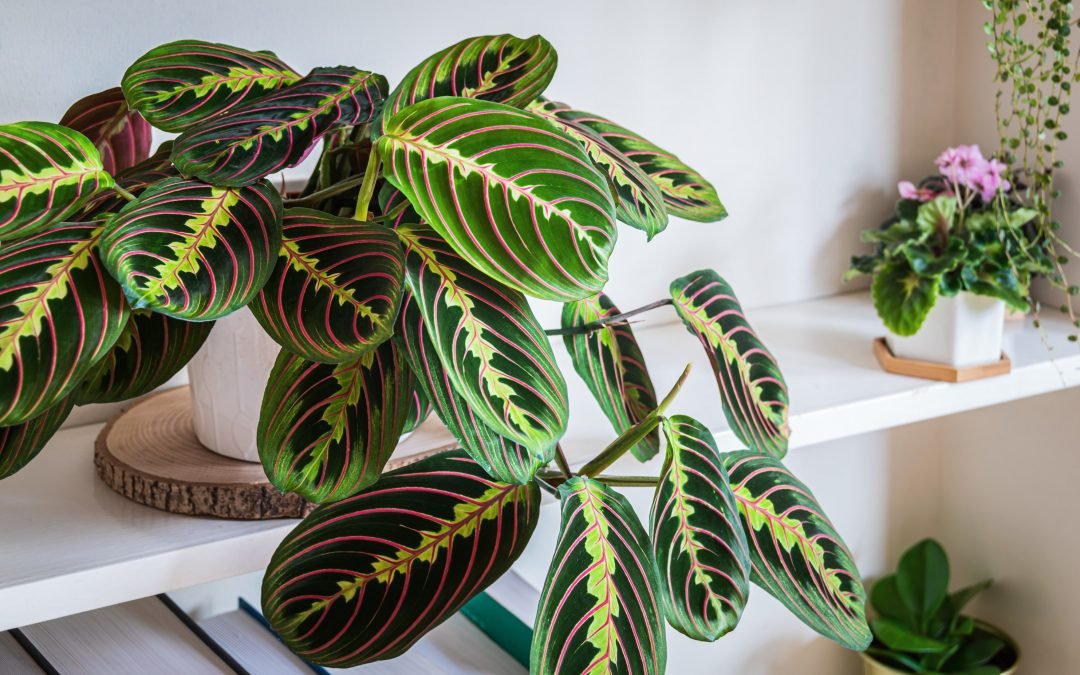
The prayer plant is one of those houseplants that can make an ordinary room feel instantly more alive. Its richly patterned leaves bring together shades of green, pink, red, and sometimes cream, while its unusual habit of folding its leaves upward at night gives it a personality that few indoor plants can match.
Popular among houseplant lovers, prayer plants are tropical plants that appreciate warmth, humidity, indirect light, and consistently moist soil. Although they may seem a little particular at first, understanding their natural growing conditions makes prayer plant care much easier.
Whether you are buying your first prayer plant or trying to help an existing one look healthier, a few simple habits can make a noticeable difference.
What Is a Prayer Plant?
The name “prayer plant” commonly refers to plants in the Maranta genus, especially Maranta leuconeura. They are tropical plants native to parts of Central and South America, where they naturally grow in warm, humid environments beneath forest canopies.
Why Is It Called a Prayer Plant?
The plant gets its familiar name from the way its leaves move. As evening approaches, the leaves can fold upward, resembling hands held together in prayer. When morning arrives and light increases, the leaves gradually spread out again.
This daily movement is known as nyctinasty. It is a natural response to changes in light and darkness rather than a sign that the plant is wilting.
The movement is one of the main reasons prayer plants are so fascinating. Instead of being a plant that simply sits quietly in a pot, it seems to change throughout the day.
What Makes Prayer Plants So Attractive?
Prayer plants are best known for their decorative foliage. Their leaves often feature dramatic veins, contrasting patterns, and rich colors that stand out beautifully against a green background.
Different varieties can have noticeably different markings. Some display pink or red veins, while others have darker green leaves with lighter patches. Their relatively compact growth habit also makes them suitable for shelves, desks, plant stands, and other indoor spaces where a large houseplant may not fit.
Because of their colorful foliage, prayer plants can add visual interest even when they are not flowering.
How to Care for a Prayer Plant
Prayer plant care becomes much simpler when you focus on the conditions the plant would naturally enjoy in a tropical environment. Warmth, moisture, humidity, and gentle light are the main ingredients.
Prayer Plant Light Requirements
Prayer plants prefer bright, indirect light. A location near a window with filtered sunlight can work very well.
Direct afternoon sunlight can be too intense and may cause the leaves to develop brown or scorched patches. On the other hand, extremely low light can slow growth and make the plant’s attractive leaf patterns less vibrant.
A useful approach is to give your prayer plant plenty of soft natural light while protecting it from strong direct rays.
Watering a Prayer Plant
Prayer plants generally prefer evenly moist soil, but that does not mean their roots should sit in water. Water thoroughly when the upper portion of the soil begins to feel slightly dry, then allow excess water to drain away.
These plants can be sensitive to poor-quality water. If you notice brown leaf edges despite otherwise good care, filtered, distilled, or rainwater may be worth trying, particularly if your tap water is hard or heavily treated.
The goal is consistency. Letting the soil become completely dry and then soaking it heavily can put unnecessary stress on the plant.
Humidity and Temperature
Humidity is particularly important for prayer plants because of their tropical origins. Dry indoor air can lead to crispy brown edges, curled leaves, or generally unhappy-looking foliage.
A humidifier can provide a reliable source of moisture, especially during dry seasons. Keeping the plant away from heating vents, air conditioners, and cold drafts can also help.
Prayer plants prefer warm, stable temperatures. Sudden temperature changes are usually more troublesome than a slightly imperfect growing environment.
Choosing the Right Soil and Pot
A prayer plant needs soil that retains some moisture while still allowing excess water to escape. A loose, well-draining houseplant mix can provide a good foundation.
The container should always have drainage holes. Without adequate drainage, water can accumulate around the roots and increase the risk of root problems.
When repotting, choose a container only slightly larger than the existing one. A dramatically oversized pot can hold excess moisture for longer than necessary.
Common Prayer Plant Problems
Even with good care, prayer plants can occasionally develop problems. The leaves often provide useful clues about what the plant needs.
Brown Leaf Tips
Brown tips are commonly associated with low humidity, inconsistent watering, or sensitivity to minerals in tap water. Increasing humidity and maintaining more consistent soil moisture can help.
If the problem continues, consider whether the plant is exposed to direct sunlight, dry air, or treated water.
Curling Leaves
Prayer plant leaves may curl when the plant is thirsty, exposed to dry conditions, or experiencing temperature stress. Check the soil before adding more water. If it is already damp, look at the surrounding environment instead.
A plant that remains wet while its leaves continue curling may be dealing with a different issue, such as poor drainage or root stress.
Yellow Leaves
An occasional yellow leaf is not necessarily alarming, especially as older foliage naturally ages. However, widespread yellowing can indicate excessive moisture, poor drainage, insufficient light, or another environmental problem.
Rather than immediately adding fertilizer or changing everything at once, examine the plant’s watering routine and growing conditions first.
Pests on Prayer Plants
Spider mites, mealybugs, and other common houseplant pests can sometimes affect prayer plants. Regularly checking both sides of the leaves makes it easier to notice unwanted visitors early.
Healthy plants are generally better equipped to handle occasional pest pressure, so consistent care remains an important part of prevention.
Can You Propagate a Prayer Plant?
Yes, prayer plants can be propagated, with division being one of the practical methods for established plants.
When a mature plant has several healthy sections, it can sometimes be carefully divided during repotting. Each section should have an appropriate portion of roots and stems before being placed into its own container.
Propagation is not only a way to create new plants. It can also be useful when a mature prayer plant has become crowded in its pot.
Is a Prayer Plant Good for Beginners?
Prayer plants are often described as moderately easy houseplants rather than completely carefree plants. They can be forgiving when their basic needs are met, but they may react noticeably to dry air, inconsistent watering, harsh sunlight, or sudden environmental changes.
For a beginner who enjoys observing plants and adjusting care when needed, a prayer plant can be an excellent choice. Its daily leaf movement also makes it especially rewarding to grow.
Why Add a Prayer Plant to Your Indoor Space?
A prayer plant brings more than attractive foliage to a home. Its compact form works well in smaller spaces, while its colorful leaves can complement a wide range of interior styles.
The changing position of the leaves also creates a small daily connection with nature. Watching the foliage rise in the evening and open again in the morning can make the plant feel almost animated.
For anyone building an indoor garden, it can provide a beautiful contrast to plants with larger, more static leaves.
FAQs
Why does my prayer plant close its leaves at night?
This is normal behavior. Prayer plants naturally move their leaves in response to changes in light.
How often should I water a prayer plant?
Water when the upper part of the soil begins to dry, while avoiding constantly soggy soil.
Does a prayer plant need direct sunlight?
No. Bright, indirect light is generally better, as strong direct sunlight can damage its leaves.
Why are my prayer plant leaves turning brown?
Dry air, inconsistent moisture, direct sunlight, or sensitivity to tap water can contribute to brown leaf edges.
Are prayer plants suitable for indoor growing?
Yes. They can thrive indoors when provided with suitable light, warmth, humidity, and watering conditions.
Conclusion
A prayer plant is more than a decorative houseplant. Its patterned foliage, tropical character, and fascinating daily leaf movement make it a memorable addition to an indoor garden. Give it gentle light, consistent moisture, warm temperatures, and adequate humidity, and it can reward you with healthy, colorful growth for years to come.
